
When I was seven or eight, my ears started to swell. My mother diagnosed me with an allergy to non-precious metals and bought me a pair of eighteen-carat gold studs.
The allergy was short-lived. My love for fine jewelry endures.
The same mother, as I have but one, began trading in gold in my early teens. I grew up wearing teddy bear pendants, charm bracelets, and earrings, all gold. Between selling some to repair my Blackberry and losing others, none of those original pieces remain.
Still, my love for fine jewelry endures.
In 2022, I bought a pair of gold studs. I love and wear them still. Earlier this year, I got a bracelet. It was Edo woman loud and did not suit my aesthetics. I gifted it to my mother.
And had an epiphany. I may love them, but I do not think of gold jewelry as investments.
They are, to me, a tool for conscious consumption and a signal of taste. That is, because they are expensive, I buy less. And they must look good, as I shall not abide ugly jewelry, no matter how precious.
As stores of value instead, I like hunks of gold, as pure as possible. Bars and coins.
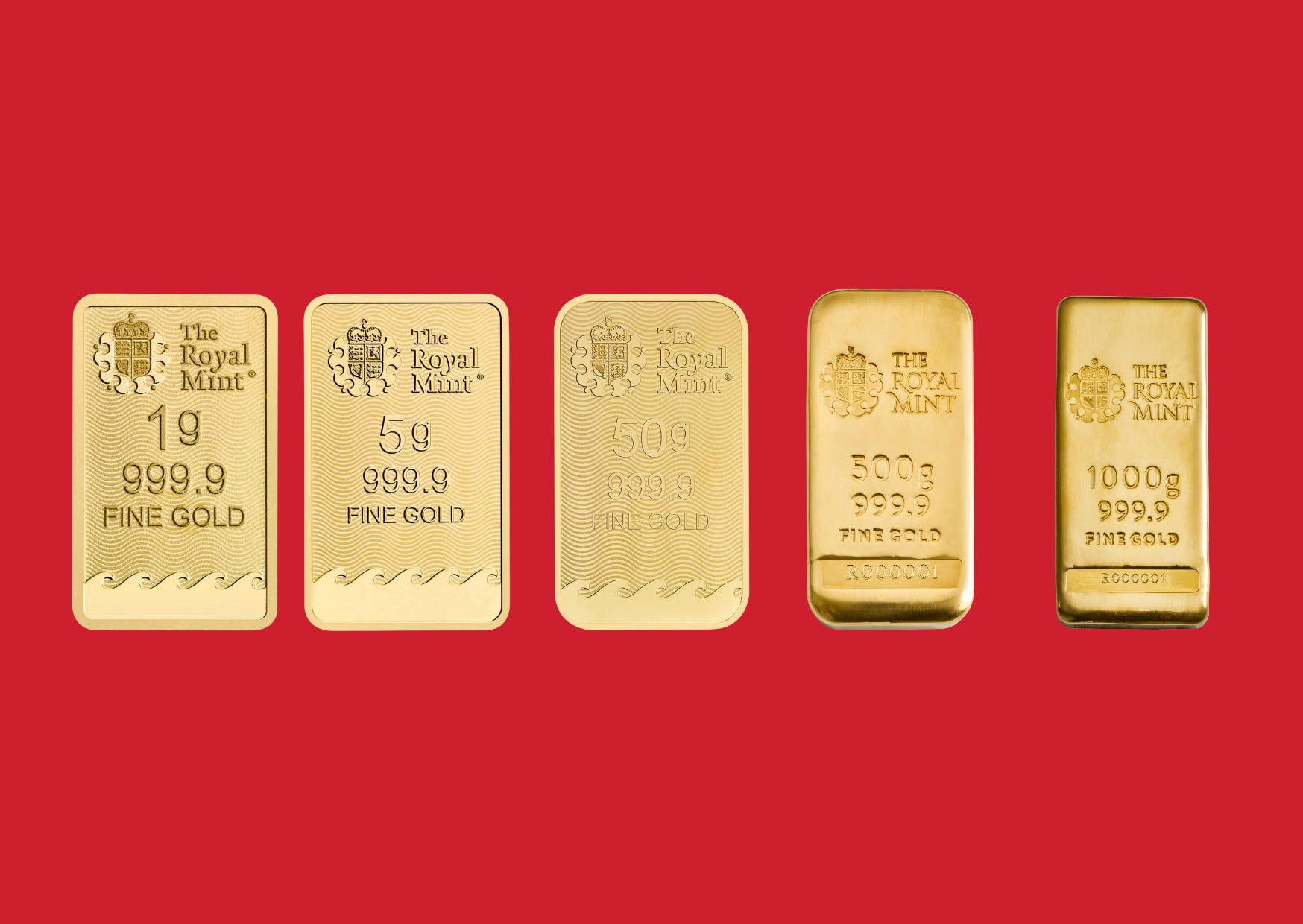
At the time of writing, a one-kilo gold bar from the Royal Mint costs £105,000. I am now a collector of much much much smaller bars.
This is everything I know about buying gold:
Spot price != bullion price: The price per gram of pure gold (24 carat) is always less than the price per gram a gold bar is sold for. Today gold is £103 per gram. A one-gram gold bar from the mint is £139. This covers the price of mining, processing, packaging, and cost of sale.
Buying in bulk is cheaper: A five-gram bar costs £590, which is £118 per gram of gold. A fifty-gram bar is £110 per gram. A five-hundred-gram bar is £106 per gram. Aka, being poor is expensive.
Sovereigns are the most tax efficient gold instrument: No value-added tax is paid on the purchase of either bars or sovereigns (gold coins). But you’ll pay capital gains tax, tax on any interest you make when you sell your investment, in this case your gold, on bars. Sovereigns are exempt as they qualify as legal tender. The tax agency treats your gold bar as investment, but treats your gold coin as official currency of the country. However there is less pure gold content in coins than in bars. Nine hundred sixteen vs ninety-nine point nine.
Where to buy: If buying Britannia bars or UK sovereigns, buy from the Royal Mint. It’s slightly cheaper as it’s direct from source, but it ships in three to seven working days. If buying other brands, buy from Bullion by Post, or Atkinsons Bullion or BullionVault. They offer next day delivery.
Best value gold: is pre owned. Slightly cheaper, same quality. The seller just decides what brand of bar or year of sovereign to give you. As a personal preference I like newly minted bars, and best value sovereigns.
Storing your gold: The Royal Mint has vaults where you can store your gold for a fee. Or you can keep it at home in a safe (= higher insurance premiums). If storing at home, tell no one. Gold is small, valuable, and easy to steal.
Don’t want physical gold?: Buy gold stock through Trading212, eToro, etc. These let you invest in gold exchange-traded funds or ETFs, which track the price of gold without you ever touching a bar. The downside is you’re buying paper that represents gold, not the actual metal. In a proper crisis, paper promises mean nothing. But for tax efficiency, ease of trading, and avoiding the hassle of physical storage, gold ETFs are perfectly adequate. You can buy and sell instantly, and most platforms have low fees.
That’s all I know.
I like that I have a hobby now. Collecting gold genuinely makes me happy. It’s pretty, shiny, a good store of value, and often heavy or pointy, so it works as a weapon when in a bind.
I cleared out all of my non-precious metal jewelry last week.
And aim to buy one earring pair and bracelet in the new year, and hopefully many, many bars and sovereigns.
I enjoyed writing this. This is not financial advice. (Collect some gold.) Bye babies.